Ear Infection in Rhodes: Swimmer’s Ear, Symptoms, Causes & Treatment
Medically reviewed by Petros Katsimpris
ENT Specialist
Last medically reviewed: October 13, 2026
Ear Infection in Rhodes: Swimmer’s Ear, Symptoms, Causes & Treatment
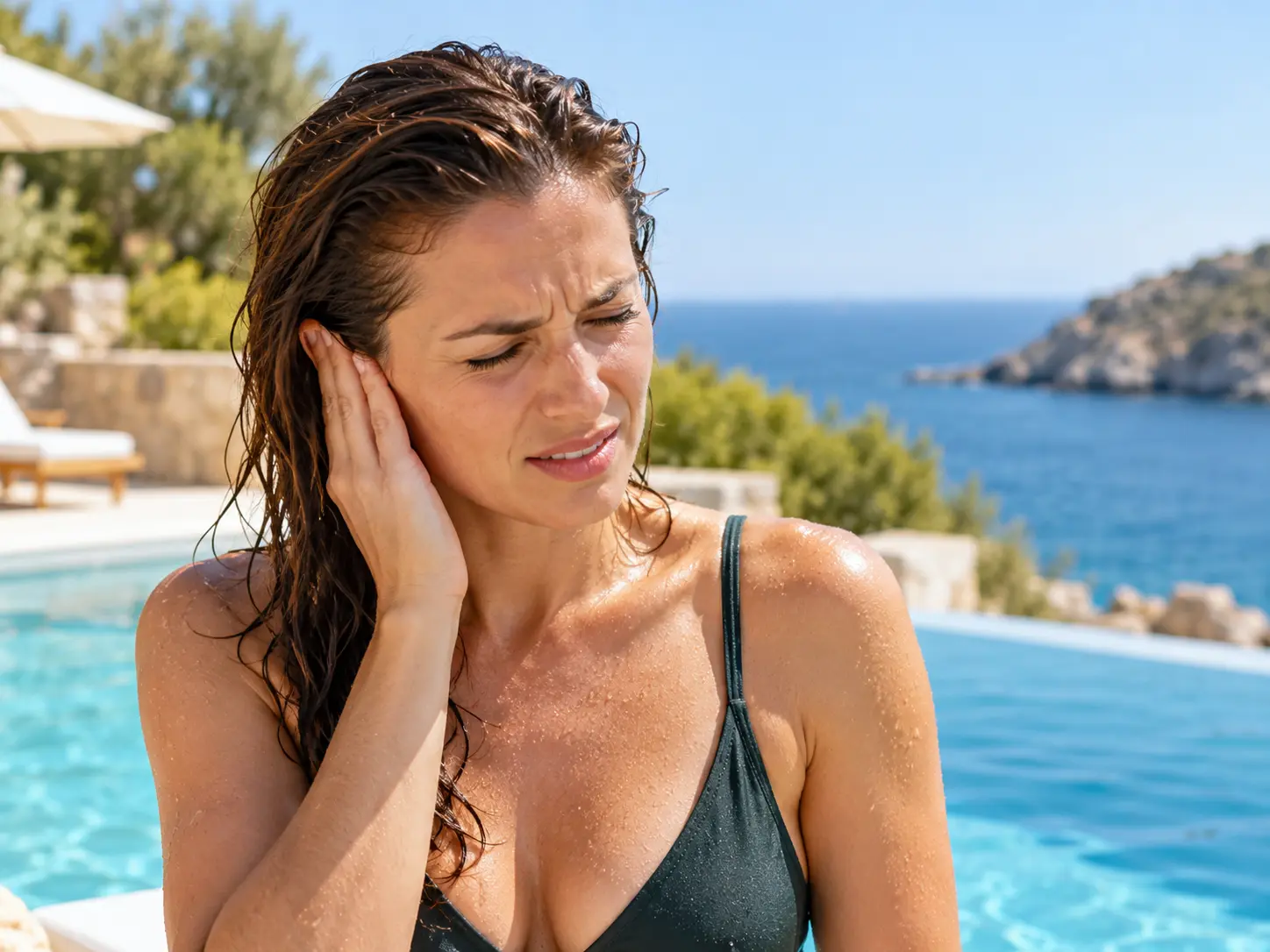
Ear pain, itching or a blocked ear during your holiday in Rhodes? Swimming in the sea or hotel pool may contribute to a common condition called swimmer’s ear (otitis externa). Although many cases are straightforward to treat, similar symptoms may also be caused by earwax blockage, middle-ear infection or eardrum problems.
If you are visiting Rhodes and develop ear pain after swimming, an examination can help identify the cause and determine whether you need ear drops, professional ear cleaning or specialist treatment.
Quick answer: Swimmer’s ear is an inflammation or infection of the external ear canal, often associated with prolonged moisture exposure. Typical symptoms include ear pain, itching, swelling, discharge and temporarily reduced hearing. Uncomplicated bacterial cases are usually treated with prescription ear drops rather than oral antibiotics.
What Is Swimmer’s Ear (Otitis Externa)?
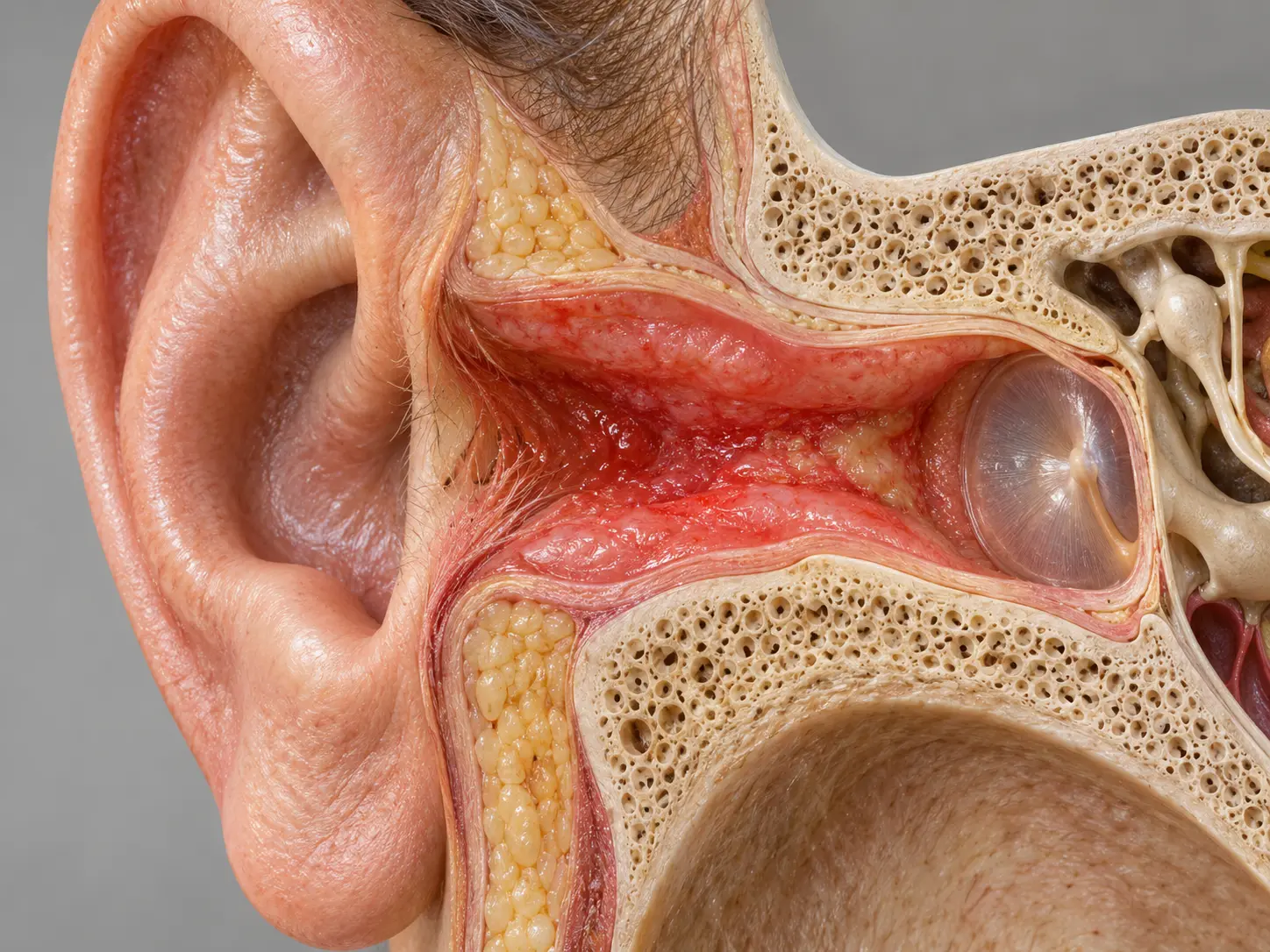
Swimmer’s ear, medically known as otitis externa, is an inflammatory condition affecting the external auditory canal — the passage connecting the outer ear to the eardrum.
Acute otitis externa is commonly caused by bacterial infection. Two frequently implicated organisms are Pseudomonas aeruginosa and Staphylococcus aureus.
Normally, the skin of the ear canal and its protective earwax create a barrier against irritation and infection. Prolonged exposure to water can disrupt this natural protection and create a moist environment in which microorganisms can multiply.
Although the name suggests otherwise, swimmer’s ear can also develop in people who do not swim. Ear canal trauma, eczema, skin irritation and the inappropriate use of cotton buds can contribute to the condition.
Swimmer’s ear is different from otitis media, an infection affecting the middle ear behind the eardrum.
Why Do Tourists Experience Ear Pain During Holidays in Rhodes?
Rhodes is a popular Mediterranean destination, with beaches, resorts, swimming pools and water-based activities throughout the holiday season.
Visitors staying in areas such as Faliraki, Ialyssos, Ixia, Kallithea, Lindos, Kiotari and Rhodes Town may spend considerable time swimming or participating in water sports.
Repeated exposure to water can increase the likelihood of external ear canal irritation, especially when moisture remains trapped inside the ear.
Factors that may contribute include:
- Frequent swimming in the sea or hotel pools.
- Remaining in the water for prolonged periods.
- Using cotton buds to clean or dry the ears.
- Wearing earplugs that irritate the ear canal.
- Attempting to remove earwax without medical supervision.
- Existing skin conditions such as eczema.
- Scratching or otherwise damaging the sensitive ear canal skin.
Important: Swimming in Rhodes does not automatically cause an ear infection. These risk factors apply to swimming destinations worldwide, and ear pain should not be attributed to infection without an appropriate examination.
What Are the Symptoms of Swimmer’s Ear?
Symptoms may begin mildly and worsen over the following hours or days.
1. Ear Pain After Swimming
Pain is one of the most characteristic symptoms of acute otitis externa.
The discomfort may be mild initially but can become significant, particularly when touching or pulling the outer ear.
Pain when pressing the tragus — the small cartilage immediately in front of the ear canal — is a typical clinical finding.
2. Itching Inside the Ear
An itching or irritated sensation can occur before more pronounced pain develops.
Patients may describe a persistent urge to scratch the ear canal.
3. Blocked Ear or Pressure Sensation
Inflammation and swelling may narrow the external auditory canal, producing a sensation of blockage, fullness or pressure.
4. Temporary Hearing Reduction
Hearing may become muffled when swelling, debris or discharge obstructs the ear canal.
However, sudden or substantial hearing loss requires prompt medical assessment because other causes must be excluded.
5. Ear Discharge
Some patients notice clear, cloudy or pus-like fluid coming from the ear.
Discharge can occur with external ear infections but may also indicate other conditions, including middle-ear disease or eardrum perforation.
6. Redness and Swelling
The ear canal may become red, swollen and tender. In more severe cases, inflammation can extend to the surrounding tissues.
Swimmer’s Ear or Earwax Blockage: How Can You Tell the Difference?
One of the most common concerns among holidaymakers is whether their blocked ear is caused by an infection or accumulated earwax.
Both conditions can produce a sensation of fullness and reduced hearing, but they often have different clinical features.
Earwax blockage may cause:
- Gradual or sudden muffled hearing.
- Ear fullness or pressure.
- A blocked sensation after swimming.
- Occasional discomfort or tinnitus.
Swimmer’s ear may cause:
- Increasing ear pain.
- Pain when touching or moving the outer ear.
- Itching and irritation.
- Ear canal swelling.
- Discharge or unpleasant odour.
- Reduced hearing caused by inflammation.
These symptoms overlap, so the distinction cannot always be made without otoscopy.
Attempting to remove earwax yourself may worsen irritation or push wax deeper into the canal.
Clinical advice: If your ear is painful, discharging fluid or significantly inflamed, do not attempt ear irrigation or use earwax-removal products without medical advice.

How Is an Ear Infection Diagnosed in Rhodes?
Diagnosis generally begins with a medical history and an examination of the ear.
The doctor may ask:
- When did the symptoms begin?
- Have you recently been swimming?
- Is the ear painful, blocked or itchy?
- Have you noticed discharge or reduced hearing?
- Have you used cotton buds or ear drops?
- Do you have previous ear infections, ear surgery or known eardrum perforation?
- Do you have diabetes or a condition affecting your immune system?
An otoscope allows the clinician to examine the external auditory canal and, when visible, the eardrum.
The examination helps distinguish between otitis externa, cerumen impaction, middle-ear infection, fungal infection and other causes of ear pain.
In uncomplicated cases, additional investigations are usually unnecessary. Further assessment or microbiological testing may be considered for recurrent, severe or treatment-resistant infections.
Treatment for Swimmer’s Ear in Rhodes
Treatment should be selected according to the clinical diagnosis, severity of inflammation and condition of the eardrum.
Prescription Antibiotic Ear Drops
For uncomplicated bacterial otitis externa, topical antimicrobial ear drops are usually the preferred initial treatment.
Some preparations contain an antibiotic combined with a corticosteroid to help reduce inflammation.
The choice of ear drops is particularly important if an eardrum perforation is present or suspected, because certain preparations may be ototoxic and should be avoided.
Patients should follow the prescribed dose and treatment duration.
Pain Relief
Appropriate analgesics, such as paracetamol or ibuprofen, may be recommended depending on the patient's medical history and contraindications.
Severe or worsening pain requires reassessment rather than simply increasing medication.
Keeping the Ear Dry
During treatment, avoid swimming and prevent unnecessary water from entering the affected ear.
Your doctor can advise when it is safe to return to swimming.
Professional Ear Canal Cleaning
In some cases, swelling, earwax or discharge may prevent medication from reaching the affected tissues.
An ENT specialist may perform careful ear canal cleaning or use an ear wick when clinically indicated.
These procedures should be carried out by an appropriately trained healthcare professional.
Are Oral Antibiotics Necessary?
Oral antibiotics are not routinely recommended for uncomplicated swimmer’s ear.
They may be required if infection extends beyond the external ear canal or if specific medical circumstances increase the risk of complications.
Unnecessary antibiotic use can cause side effects and contribute to antimicrobial resistance.
How Long Does Swimmer’s Ear Take to Heal?
With appropriate treatment, many patients begin to notice improvement within 48–72 hours.
Complete resolution may take approximately 7–10 days, although recovery varies according to severity, the cause and individual medical factors.
If symptoms do not improve within 48–72 hours of initial treatment, medical reassessment is recommended.
Persistent symptoms do not necessarily mean that a stronger antibiotic is needed. The original diagnosis, treatment delivery and possible alternative causes should be reconsidered.
Can You Continue Swimming With an Ear Infection?
Swimming is generally discouraged while an active external ear infection is being treated.
Continued exposure to water may aggravate the inflamed skin and interfere with recovery.
This can be particularly frustrating for tourists who are spending their holiday in Rhodes.
However, protecting the ear and completing the prescribed treatment can reduce the risk of prolonged symptoms and further complications.
If you are unsure when to return to swimming, ask your examining doctor.
Can You Fly Home With Swimmer’s Ear?
Many patients with uncomplicated external ear infections can travel by air.
Unlike middle-ear conditions, isolated otitis externa does not usually interfere directly with pressure equalisation behind the eardrum.
Nevertheless, flying may be uncomfortable if there is significant pain, marked swelling or an associated middle-ear problem.
Seek medical assessment before your flight if you experience:
- Severe or increasing ear pain.
- Sudden hearing loss.
- Vertigo or significant dizziness.
- Ear bleeding or suspected eardrum perforation.
- Fever or spreading inflammation.
- Severe pressure-related pain after diving or flying.
A doctor can determine whether the symptoms are caused by otitis externa, middle-ear disease or another condition and advise whether further evaluation is necessary before flying.
When Should You See an ENT Doctor in Rhodes?
You should consider medical examination if ear pain or blockage persists, worsens or is accompanied by discharge or reduced hearing.
An ENT consultation may be particularly helpful if:
- The ear canal appears significantly swollen.
- You have recurrent ear infections.
- You suspect impacted earwax but also experience pain.
- Symptoms continue despite initial treatment.
- You have a history of ear surgery or eardrum perforation.
- You need specialist ear canal examination or cleaning.
Urgent medical evaluation is particularly important for severe pain, spreading redness or swelling, facial weakness, sudden hearing loss or significant systemic symptoms.
Patients with diabetes or immunosuppression should seek prompt assessment for persistent or severe ear pain because uncommon but serious complications must be considered.
How to Prevent Swimmer’s Ear During Your Holiday in Rhodes
Several simple measures can help reduce the risk of external ear infections.
Dry Your Ears Gently
After swimming or showering, tilt your head to each side to allow trapped water to drain.
Dry the outer ear gently with a clean towel.
Avoid Cotton Buds
Do not insert cotton buds, fingernails or other objects into the ear canal.
The ear canal is sensitive, and even minor skin injuries can make infection more likely.
Protect Your Ears When Appropriate
If you frequently develop swimmer’s ear, ask a healthcare professional whether suitable swimming earplugs or custom-fitted ear protection would be beneficial.
Poorly fitted devices may cause irritation.
Avoid Unnecessary Earwax Removal
Earwax is a natural protective substance.
Routine deep cleaning is generally unnecessary and may damage the protective barrier of the ear canal.
Ask Before Using Preventive Ear Drops
Some individuals may benefit from preventive ear-drying preparations, but these are not suitable for everyone.
Do not use such products without medical advice if you have ear discharge, an active infection, ear tubes or a known or suspected eardrum perforation.
Ear Pain in Children During Holidays in Rhodes
Children can develop swimmer’s ear after frequent swimming.
They may complain of ear pain, refuse to let anyone touch the affected ear or experience discomfort when lying on one side.
However, middle-ear infections are also common in children and can produce similar complaints.
An appropriate clinical examination is important before deciding on treatment.
Parents should avoid inserting objects into the child's ear or administering previously prescribed ear drops without professional advice.
English-Speaking ENT Doctor in Rhodes
If you develop ear pain, a blocked ear or symptoms suggesting swimmer’s ear during your holiday, Rhodes Medical Services can help you arrange an appointment with an English-speaking ENT specialist in Rhodes, subject to availability.
Our network assists tourists and international visitors seeking medical care while staying on the island.
Visitors from Faliraki, Ialyssos, Ixia, Kallithea, Rhodes Town, Lindos and other areas can contact our team for appointment assistance.
Following an examination, the doctor can determine whether prescription treatment, specialist cleaning or further investigation is appropriate.
Rhodes Medical Services
Address: Ethnikis Antistaseos 18, 85100 Rhodes, Greece
Telephone: +30 2241 031123
Website: https://www.rhodesmedicalservices.com
Book an ENT appointment: Contact Rhodes Medical Services to request an available consultation.
Appointments depend on the specialist's availability. ENT examinations and procedures take place at the appropriate medical practice rather than at a patient's hotel.
Medical Receipts and Travel Insurance
Rhodes Medical Services does not offer direct billing with insurance companies.
Patients receive an official medical receipt and relevant medical documentation following their examination. These can be submitted to their insurer when requesting reimbursement, subject to their policy terms.
Frequently Asked Questions About Ear Infections in Rhodes
Is swimmer’s ear common during beach holidays?
Swimmer’s ear is a recognised condition associated with prolonged water exposure and can occur during beach or swimming-pool holidays. Reliable Rhodes-specific incidence figures are not available to establish how frequently it occurs locally.
Can seawater cause an ear infection?
Yes. Water retained in the external ear canal can contribute to irritation and bacterial infection. The condition can develop after swimming in either seawater or swimming pools.
Can I get swimmer’s ear from a hotel swimming pool?
Yes. Swimmer’s ear may develop after pool swimming, particularly when moisture remains inside the ear canal. It does not necessarily indicate that a specific pool is contaminated.
Is a blocked ear after swimming always an infection?
No. Earwax impaction, trapped water and other ear conditions can also cause a blocked sensation. An examination helps identify the cause.
Can swimmer’s ear cause temporary hearing loss?
Yes. Swelling or debris in the ear canal may temporarily reduce hearing. Sudden or significant hearing loss should be assessed promptly.
Do I need antibiotics for swimmer’s ear?
Uncomplicated bacterial swimmer’s ear is commonly treated with prescription antibiotic ear drops. Oral antibiotics are generally unnecessary unless particular complications or risk factors are present.
Can an ENT doctor remove earwax if my ear is infected?
An ENT specialist can assess whether professional ear canal cleaning is indicated and which technique is safe. Ear irrigation is not appropriate in every case.
How quickly should an ear infection improve?
Many patients experience noticeable improvement within 48–72 hours after appropriate treatment begins. Persistent or worsening symptoms require reassessment.
Can I fly from Rhodes with a blocked ear?
It depends on the underlying cause. Simple earwax blockage and uncomplicated otitis externa differ from middle-ear conditions that affect pressure equalisation. Severe symptoms or sudden hearing changes should be assessed before flying.
Where can I find an English-speaking ENT doctor in Rhodes?
Rhodes Medical Services can assist visitors in arranging an appointment with an English-speaking ENT specialist, subject to availability. Contact +30 2241 031123 for assistance.
Final Advice for Tourists Visiting Rhodes
Ear pain during a holiday can be uncomfortable, particularly when it interferes with swimming, sleep or planned travel.
Most uncomplicated cases of swimmer’s ear respond well to appropriate local treatment, but not every blocked or painful ear is caused by an infection.
Avoid self-treatment with cotton buds, unprescribed ear drops or unnecessary oral antibiotics.
If you develop persistent ear pain, discharge, hearing reduction or a blocked ear while visiting Rhodes, contact a qualified healthcare professional for an appropriate examination.
Rhodes Medical Services can help connect you with an English-speaking ENT specialist so you can receive suitable medical advice and continue your holiday with greater peace of mind.
Medical disclaimer: This article provides general educational information and does not replace individual medical assessment, diagnosis or treatment. The appropriate management of ear symptoms depends on clinical findings and the patient's medical history.
References
- American Academy of Otolaryngology–Head and Neck Surgery Foundation (AAO-HNSF) — Clinical Practice Guideline: Acute Otitis Externa (2014)
- Centers for Disease Control and Prevention (CDC) — Preventing Swimmer's Ear (2025)
- Centers for Disease Control and Prevention (CDC) — Preventing Swimming-related Illnesses (2025)
Related Medical Care
Based on what you just read about Ear Infection in Rhodes: Swimmer’s Ear, Symptoms, Causes & Treatment, our E.N.T (Ear, Nose, Throat) team can assess your symptoms and recommend the right next step.
Petros Katsimpris — ENT Specialist
Need Medical Help in Rhodes?
Book your appointment in minutes and get fast professional care.