Insect Bites in Rhodes: Swelling, Infection & When to See a Doctor
Medically reviewed by Georgia Mitsou
Dermatologist
Last medically reviewed: October 14, 2026
Insect Bites in Rhodes: Swelling, Infection & When to See a Doctor
Insect bites during a holiday in Rhodes are usually harmless, but persistent swelling, increasing redness, significant pain or signs of infection may require medical attention. Mosquitoes, bees, wasps and other biting or stinging insects can cause skin reactions ranging from mild itching to pronounced local inflammation.
For visitors staying in Rhodes Town, Faliraki, Ialyssos, Ixia, Kallithea, Lindos, Kiotari or other parts of the island, knowing how to distinguish a normal insect bite from an infected bite or allergic reaction can help prevent unnecessary treatment and identify situations requiring urgent care.
Quick medical answer: Most insect bites cause temporary itching, redness and swelling that improve without antibiotics. A bacterial infection becomes more concerning when redness progressively spreads, pain and warmth increase, pus develops or fever appears. Difficulty breathing, throat swelling or fainting after a sting may indicate anaphylaxis and requires immediate emergency assistance.
Are Insect Bites Common in Rhodes?
Insect bites can occur throughout the warmer months in Mediterranean holiday destinations, including Rhodes.
Visitors may encounter mosquitoes around accommodation, gardens, outdoor restaurants and areas near standing water. Bees and wasps may also be present around flowers, outdoor dining areas and swimming pools.
The likelihood of being bitten depends on the season, location, weather conditions, personal exposure and preventive measures.
However, there are no reliable figures presented here establishing the exact annual incidence of insect bites among tourists in Rhodes.
Most bites cause minor, self-limiting reactions. Some people experience much more pronounced swelling, particularly after mosquito bites or insect stings.
Which Insects May Bite or Sting During Your Rhodes Holiday?
Mosquito Bites
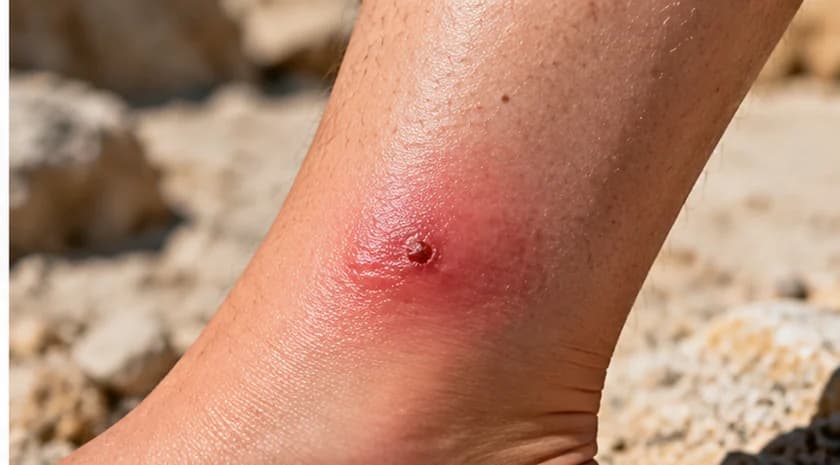
Mosquito bites commonly cause small, itchy bumps with surrounding redness.
Some individuals develop large local reactions with considerable swelling, warmth and discomfort.
These reactions are caused by the immune system responding to substances introduced during the bite and do not necessarily indicate bacterial infection.
Bee and Wasp Stings
Bee and wasp stings can cause immediate pain, redness and swelling.
A large local allergic reaction may develop over several hours and involve a substantial area of the affected limb.
A small proportion of people may develop a severe systemic allergic reaction requiring emergency treatment.
Other Biting Insects
Other insects and arthropods may cause itchy papules, local irritation or multiple grouped skin lesions.
Ticks may also be encountered in grassy or rural environments. Tick bites require a different assessment, particularly when a tick remains attached or a subsequent expanding rash develops.
It is not always possible to identify the responsible insect from the skin appearance alone.
Normal Insect Bite or Infected Bite: How Can You Tell?
One of the most important questions is whether redness and swelling represent a normal inflammatory reaction or a bacterial skin infection.
Signs of a Normal Local Reaction
Typical uncomplicated insect bites may produce:
- Itching around the bite.
- Mild to moderate redness.
- Localised swelling.
- A small raised bump.
- Mild tenderness.
- Occasionally a small blister.
Symptoms usually improve over the following days, although larger local reactions may take longer to settle.
Itching is often more prominent than pain.
Signs That May Suggest an Infected Insect Bite
A secondary bacterial infection becomes more concerning if you notice:
- Redness that progressively extends beyond the original bite.
- Increasing pain rather than predominantly itching.
- Expanding warmth and tenderness.
- Pus or purulent discharge.
- Increasing swelling after an initial period of improvement.
- Fever or a general feeling of illness.
- Red streaking extending from the affected area.
Important: Redness, warmth and swelling alone do not prove infection. Large inflammatory or allergic reactions can produce similar findings.
A medical examination may be necessary to distinguish infection from a non-infectious reaction.
Why Can an Insect Bite Become Infected?
A bite can damage the protective surface of the skin.
Repeated scratching may create additional small breaks in the skin, allowing bacteria to enter surrounding tissues.
The most common organisms responsible for uncomplicated bacterial skin infections include streptococci and Staphylococcus aureus.
An infected bite may subsequently develop into cellulitis, an infection involving the skin and underlying soft tissues.
Not every swollen or inflamed bite develops cellulitis, and antibiotics should not be used automatically.
What Is Cellulitis After an Insect Bite?
Cellulitis is a bacterial infection of the deeper layers of the skin and subcutaneous tissue.
It may develop after an insect bite, abrasion, scratch or another disruption of the skin barrier.
Common Symptoms of Cellulitis
Symptoms may include:
- Expanding redness.
- Increasing skin warmth.
- Pain and tenderness.
- Swelling.
- Occasionally fever, chills or malaise.
The affected area may be particularly uncomfortable on the lower leg, ankle, foot or hand.
Untreated cellulitis can spread and occasionally lead to serious complications.
Seek prompt medical assessment if you suspect cellulitis, particularly if the area is spreading, painful or accompanied by fever.
Patients with diabetes, immunosuppression, significant circulatory problems or rapidly worsening symptoms may require more urgent evaluation.
Large Local Reaction vs Cellulitis
A large local reaction can sometimes look alarming even when no bacterial infection is present.
The following features can help guide assessment, but they do not replace examination.
| Feature | Large Local Reaction | Possible Cellulitis |
|---|---|---|
| Main symptom | Often intense itching | Often increasing pain |
| Redness | May be extensive | May progressively spread |
| Swelling | Can be substantial | Variable |
| Onset | Often soon after a bite or sting | May develop later |
| Fever | Usually absent | May occur |
| Antibiotics | Generally unnecessary | May be indicated after examination |
A reaction appearing quickly after a bite is frequently inflammatory rather than infectious.
Nevertheless, clinical judgement is essential, especially when symptoms overlap.
Treatment for Insect Bites in Rhodes
Treatment depends on the severity and cause of the reaction.
1. Clean the Affected Area
Wash the bite gently with soap and water.
Keeping the skin clean can help reduce the likelihood of secondary infection.
Avoid rubbing, scratching or squeezing the lesion.
2. Apply a Cold Compress
Apply a cool compress or an ice pack wrapped in a cloth for approximately 10–20 minutes.
This may help reduce swelling, itching and discomfort.
Avoid placing ice directly against the skin.
3. Consider an Antihistamine for Itching
An oral antihistamine may help relieve itching, particularly in patients with more pronounced local reactions.
The appropriate preparation depends on age, medical history, potential interactions and contraindications.
Some antihistamines can cause drowsiness.
4. Use a Suitable Topical Treatment
For an uncomplicated inflammatory reaction, a short course of an appropriate low-potency topical corticosteroid may be considered after advice from a pharmacist or doctor.
Such products are not suitable for every situation, particularly when the skin is infected or broken.
Do not apply corticosteroids indiscriminately to lesions with suspected bacterial infection.
5. Relieve Pain
Paracetamol or ibuprofen may be useful when medically appropriate.
Patients should consider relevant contraindications and follow professional dosage advice.
6. Elevate the Affected Limb
If swelling involves an arm, foot or ankle, elevating the limb may help reduce discomfort.
Remove tight jewellery if swelling is developing around the hand or wrist.
Do You Need Antibiotics for an Infected Insect Bite?
Most insect bites do not require antibiotics.
Antibiotics are reserved for situations where bacterial infection is suspected or confirmed.
For example, cellulitis may require oral antibiotic treatment selected according to clinical findings, allergy history, patient-specific factors and local prescribing guidance.
More severe infections may require hospital assessment or intravenous antibiotics.
A doctor may also need to assess whether an abscess has formed, because an abscess sometimes requires drainage rather than antibiotics alone.
Taking antibiotics for a simple inflammatory reaction does not improve recovery and may cause unnecessary side effects or contribute to antimicrobial resistance.
Do not begin leftover antibiotics without an appropriate medical assessment.
How Long Does Insect Bite Swelling Last?
Mild insect bite reactions often improve within several days.
Large local reactions can take longer and may remain visible for a week or occasionally more.
The duration depends on the responsible insect, the individual's immune response, scratching and the development of complications.
If the lesion becomes increasingly painful, redness progressively expands or systemic symptoms appear, do not simply wait for spontaneous improvement.
When Is an Insect Bite an Emergency?
Some symptoms suggest a potentially serious allergic reaction or rapidly developing illness.
Signs of Anaphylaxis
Severe allergic reactions may occur after insect stings.
Warning signs include:
- Difficulty breathing or wheezing.
- Swelling of the tongue or throat.
- Difficulty swallowing.
- Sudden hoarseness with breathing difficulty.
- Fainting, collapse or severe dizziness.
- Rapidly developing systemic symptoms after a sting.
Emergency advice: Call 112 immediately in Greece if anaphylaxis is suspected.
If the patient has a prescribed adrenaline auto-injector, it should be used immediately according to their emergency action plan. Emergency services must still be contacted.
Do not delay emergency treatment while attempting to contact a routine medical appointment service.
Other Urgent Warning Signs
Seek urgent assessment for rapidly spreading redness, severe pain out of proportion to the visible skin changes, high fever, confusion, significant weakness, rapidly worsening swelling or skin changes such as blistering with marked illness.
These symptoms may indicate a more serious infection or another condition requiring immediate evaluation.
Insect Bites in Children During Holidays in Rhodes
Children may develop larger local swelling after mosquito bites and are more likely to scratch itchy lesions.
This can make bites appear particularly inflamed.
Parents should monitor for increasing pain, spreading redness, fever, unusual behaviour or signs of systemic illness.
Treatment should always be age-appropriate.
Do not give a child adult antihistamine doses or use potent steroid creams without professional guidance.
Seek urgent medical help if a child develops breathing difficulties, facial or throat swelling, collapse or other signs of a severe allergic reaction.
Can You Swim With an Infected Insect Bite?
This depends on the condition of the skin.
An uncomplicated bite with intact skin and mild itching may not require avoiding swimming.
However, swimming should generally be avoided when a lesion is open, draining pus, significantly inflamed or affected by an active bacterial infection until it is appropriately assessed and healing.
Pool water and seawater are not treatments for infected skin.
If a wound requires a dressing, ask a healthcare professional about appropriate protection and when swimming can safely resume.
Can You Fly Home With an Infected Insect Bite?
Most mild insect bite reactions do not prevent air travel.
However, suspected cellulitis, rapidly increasing swelling, fever or significant pain may require assessment before flying.
Infections affecting a lower limb may be particularly uncomfortable during prolonged travel.
If you have been prescribed treatment, follow your clinician's advice and seek reassessment if your symptoms are worsening.
A fitness-to-fly assessment may be considered when there is clinically significant illness or uncertainty about safe travel.
How to Prevent Insect Bites in Rhodes
Preventive measures can reduce the risk of insect bites during your holiday.
Use an Effective Insect Repellent
Products containing ingredients such as DEET, picaridin (icaridin) or IR3535 can help reduce mosquito bites when used as directed.
Always follow the product label, particularly for children and pregnant travellers.
If using sunscreen, apply sunscreen first and insect repellent afterwards.
Wear Protective Clothing
Lightweight, loose-fitting clothing that covers the arms and legs may help reduce exposure.
This can be particularly useful during outdoor activities and evenings.
Reduce Exposure Around Accommodation
Use window screens where available, consider air-conditioned rooms and avoid unnecessary exposure to areas with large numbers of insects.
Eliminate standing water around private outdoor areas where practical and appropriate.
Avoid Scratching
Scratching increases skin irritation and can contribute to secondary infection.
Keep fingernails clean and seek appropriate itch relief when needed.
Be Cautious Around Bees and Wasps
Avoid disturbing nests, exercise care around uncovered food and sweet drinks outdoors, and move calmly away from stinging insects.
Travellers with a known history of severe insect-sting allergy should follow their established medical emergency plan.
When Should You See a Doctor in Rhodes?
Consider arranging a medical consultation if:
- Swelling or redness continues to increase.
- The bite becomes increasingly painful.
- You notice pus or other signs of infection.
- Symptoms are not improving as expected.
- You develop fever.
- The affected area is near the eye.
- You have diabetes or a weakened immune system.
- You are uncertain whether the reaction is allergic or infectious.
A doctor can assess the affected skin, consider alternative diagnoses and determine whether symptomatic treatment, antibiotics, drainage or specialist referral is required.
English-Speaking Doctor for Insect Bites in Rhodes
If you develop a painful, swollen or potentially infected insect bite while visiting Rhodes, Rhodes Medical Services can help you arrange a medical consultation with an English-speaking doctor, subject to availability.
Our network assists tourists and international visitors staying in Rhodes Town, Faliraki, Ialyssos, Ixia, Kallithea, Kolymbia, Lindos, Kiotari and other areas of the island.
Depending on the clinical findings, an examination by a general practitioner or dermatologist may be appropriate.
Medical appointments may be arranged at the relevant practice or, when available and clinically appropriate, at your accommodation.
Contact Rhodes Medical Services
Telephone: +30 2241 031123
Address: Ethnikis Antistaseos 18, Rhodes 85100, Greece
Website: https://www.rhodesmedicalservices.com
Need medical attention for an insect bite? Contact Rhodes Medical Services to request an appointment with an English-speaking doctor.
Severe allergic reactions or other life-threatening emergencies require immediate emergency assistance through 112 rather than routine appointment booking.
Medical Receipts and Travel Insurance
Rhodes Medical Services does not provide direct insurance billing.
Patients receive an official medical receipt and relevant medical documentation following their consultation.
These documents can be submitted to their insurance provider when requesting reimbursement, according to the conditions of their insurance policy.
Frequently Asked Questions About Insect Bites in Rhodes
Are mosquito bites dangerous in Rhodes?
Most mosquito bites cause only temporary local itching and swelling. However, bites can occasionally become secondarily infected, and mosquitoes can transmit certain infections. Symptoms such as unexplained fever or significant illness should be medically assessed rather than attributed automatically to a simple bite.
How do I know if my insect bite is infected?
Increasing pain, progressively spreading redness, tenderness, warmth, pus or fever may suggest infection. Large allergic reactions can resemble infection, so examination may be necessary.
Is a swollen insect bite always infected?
No. Significant swelling may occur as part of a normal local inflammatory or allergic response without bacterial infection.
Do I need antibiotics for a mosquito bite?
Usually not. Antibiotics are not recommended for uncomplicated bites without evidence of infection.
Can an insect bite cause cellulitis?
Yes. A secondary bacterial infection can develop after the skin barrier has been disrupted, particularly by repeated scratching.
How long does a large mosquito bite reaction last?
Symptoms may last several days and sometimes longer, depending on the individual reaction. Worsening pain, spreading redness or fever should prompt medical assessment.
What can I apply to an itchy insect bite?
A cold compress may help. Depending on the situation, an oral antihistamine or suitable topical preparation may be recommended by a healthcare professional.
Should I burst a blister caused by an insect bite?
No. Intentionally breaking a blister increases the risk of skin damage and infection.
Can I swim in the sea with an insect bite?
An uncomplicated bite with intact skin may not prevent swimming. Avoid swimming with an open, draining or clinically infected lesion until appropriately assessed.
Can a bee sting cause a severe allergic reaction?
Yes. Some individuals may develop anaphylaxis after a bee or wasp sting. Breathing difficulty, throat swelling or collapse requires immediate emergency care.
When should I see a doctor for an insect bite in Rhodes?
Seek assessment if redness spreads, pain increases, discharge develops, fever appears or the reaction is unusually severe. Emergency symptoms require immediate assistance.
Where can I find an English-speaking doctor in Rhodes for an infected insect bite?
Rhodes Medical Services can assist visitors in arranging an examination with an English-speaking doctor, subject to availability.
Contact: +30 2241 031123.
Final Medical Advice for Visitors to Rhodes
Insect bites can be uncomfortable during a holiday, but most are mild and improve with simple measures.
A large local reaction is not necessarily an infection, and antibiotics are not routinely required.
Persistent symptoms, progressive redness, increasing pain or signs of systemic illness should prompt medical assessment.
If you need an English-speaking doctor in Rhodes for a suspected infected insect bite, Rhodes Medical Services can assist with arranging an appropriate consultation.
Medical disclaimer: This article is for general educational purposes and does not replace a medical examination, diagnosis or individual treatment advice. Emergency symptoms require immediate assessment. Call 112 in Greece for life-threatening emergencies.
References
- National Institute for Health and Care Excellence (NICE) — Insect bites and stings: antimicrobial prescribing (NG182) (2020)
- National Institute for Health and Care Excellence (NICE) — Insect bites and stings: antimicrobial prescribing (NG182) (2020)
- National Institute for Health and Care Excellence (NICE) — Insect bites and stings: antimicrobial prescribing (NG182) (2020)
- National Institute for Health and Care Excellence (NICE) — Insect bites and stings: antimicrobial prescribing (NG182) (2020)
Related Medical Care
Based on what you just read about Insect Bites in Rhodes: Swelling, Infection & When to See a Doctor, our Dermatology team can assess your symptoms and recommend the right next step.
Georgia Mitsou — Dermatologist
Need Medical Help in Rhodes?
Book your appointment in minutes and get fast professional care.