Norovirus in Rhodes (2026): Symptoms, Treatment & When to See a Doctor
Medically reviewed by Giannis Michailidis
General Practitioner
Last medically reviewed: October 10, 2026
Norovirus in Rhodes (2026): Symptoms, Treatment & When to See a Doctor
Norovirus in Rhodes: What Happened in 2026?
Rhodes experienced an increase in gastroenteritis cases during the summer and early autumn of 2026. According to a report published by Kathimerini on 2 October 2026, approximately 1,800 cases of gastroenteritis had been recorded since mid-July.
Medical specialists at Rhodes General Hospital confirmed that norovirus had been identified in patient samples. The reported figures refer to gastroenteritis cases overall, not exclusively laboratory-confirmed norovirus infections.
The same report indicated that case numbers had begun to decline. Investigations reported at the time did not establish a link between the cases and contamination of the island's public water supply.
For tourists visiting Rhodes, understanding the symptoms of norovirus, how it spreads and when medical attention is necessary can help prevent complications and protect fellow travellers.
What Is Norovirus?
Norovirus is a highly contagious virus that causes acute gastroenteritis, an inflammation of the stomach and intestines.
It is sometimes called a "stomach bug" or "stomach flu", although it is unrelated to influenza.
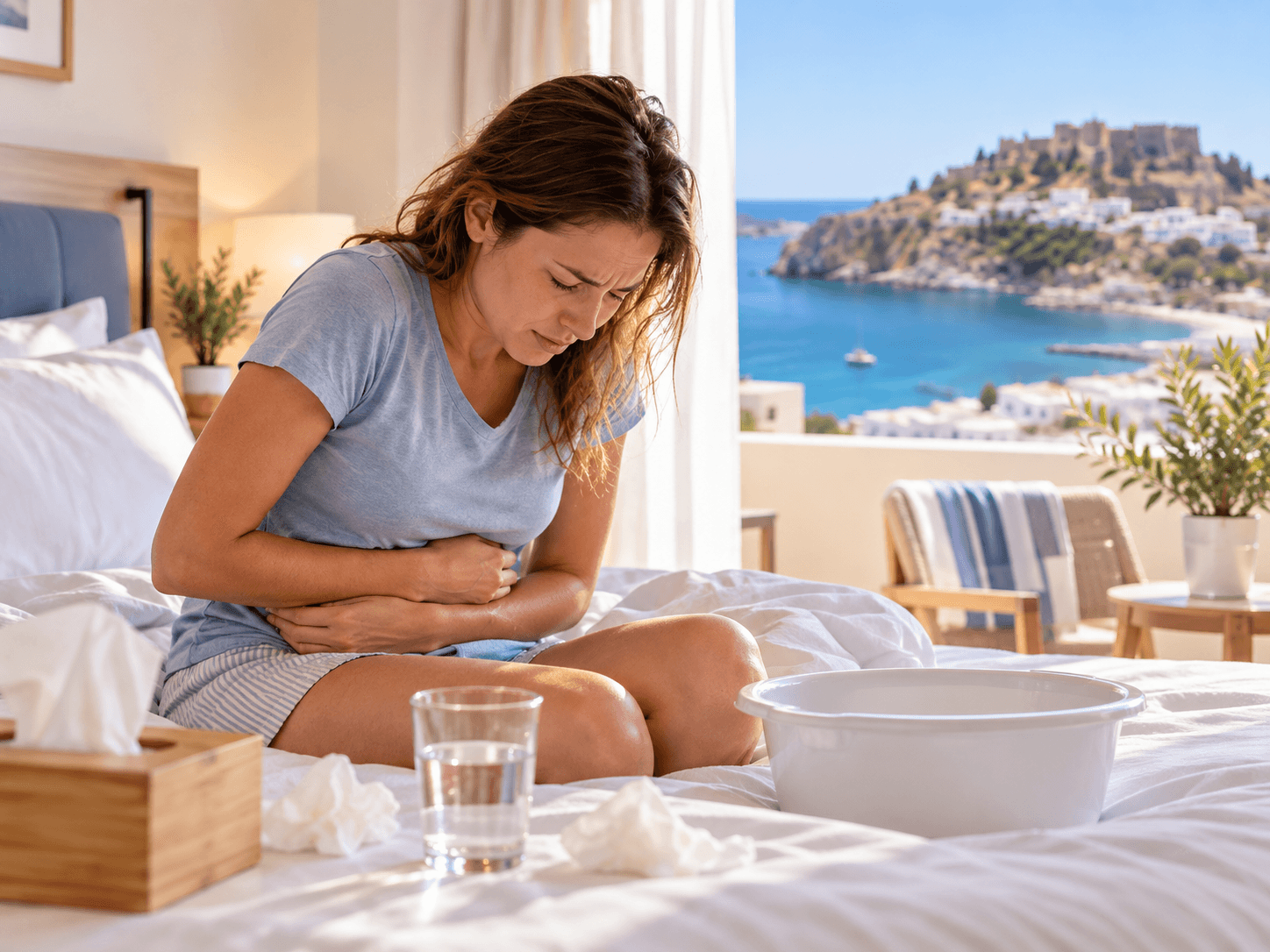
Norovirus can affect people of all ages. Infection commonly produces sudden vomiting and watery diarrhea, sometimes accompanied by abdominal cramps, nausea and fatigue.
Most otherwise healthy adults recover within one to three days. However, dehydration can become a significant concern, particularly among young children, older adults and people with underlying medical conditions.
Norovirus Symptoms: What Should You Look For?
Symptoms usually develop 12–48 hours after exposure to the virus.
Common symptoms include:
- Sudden nausea and repeated vomiting
- Watery, usually non-bloody diarrhea
- Abdominal cramps or stomach discomfort
- General weakness and fatigue
- Occasionally, low-grade fever, headache or muscle aches
Symptoms often begin abruptly and can temporarily prevent normal activities during a holiday.
Not every episode of vomiting or diarrhea is caused by norovirus. Bacterial gastroenteritis, foodborne illness, medication-related symptoms and other medical conditions can produce similar complaints.
How Does Norovirus Spread in Hotels and Holiday Environments?
Norovirus spreads easily through:
- Direct contact with an infected person
- Contaminated food or beverages
- Touching contaminated surfaces and then touching the mouth
- Close contact in shared accommodation
- Exposure to particles released during vomiting
Hotels, holiday apartments and other shared environments can facilitate transmission when appropriate hygiene precautions are not followed.
However, developing gastroenteritis while staying at a hotel does not establish that the hotel, restaurant or local water supply caused the infection.
Identifying the source of an individual infection often requires epidemiological investigation.
Norovirus Treatment: What Should You Do?
1. Replace lost fluids and electrolytes
The most important treatment is adequate hydration.
Drink small amounts of fluid frequently, particularly if nausea makes larger drinks difficult to tolerate.
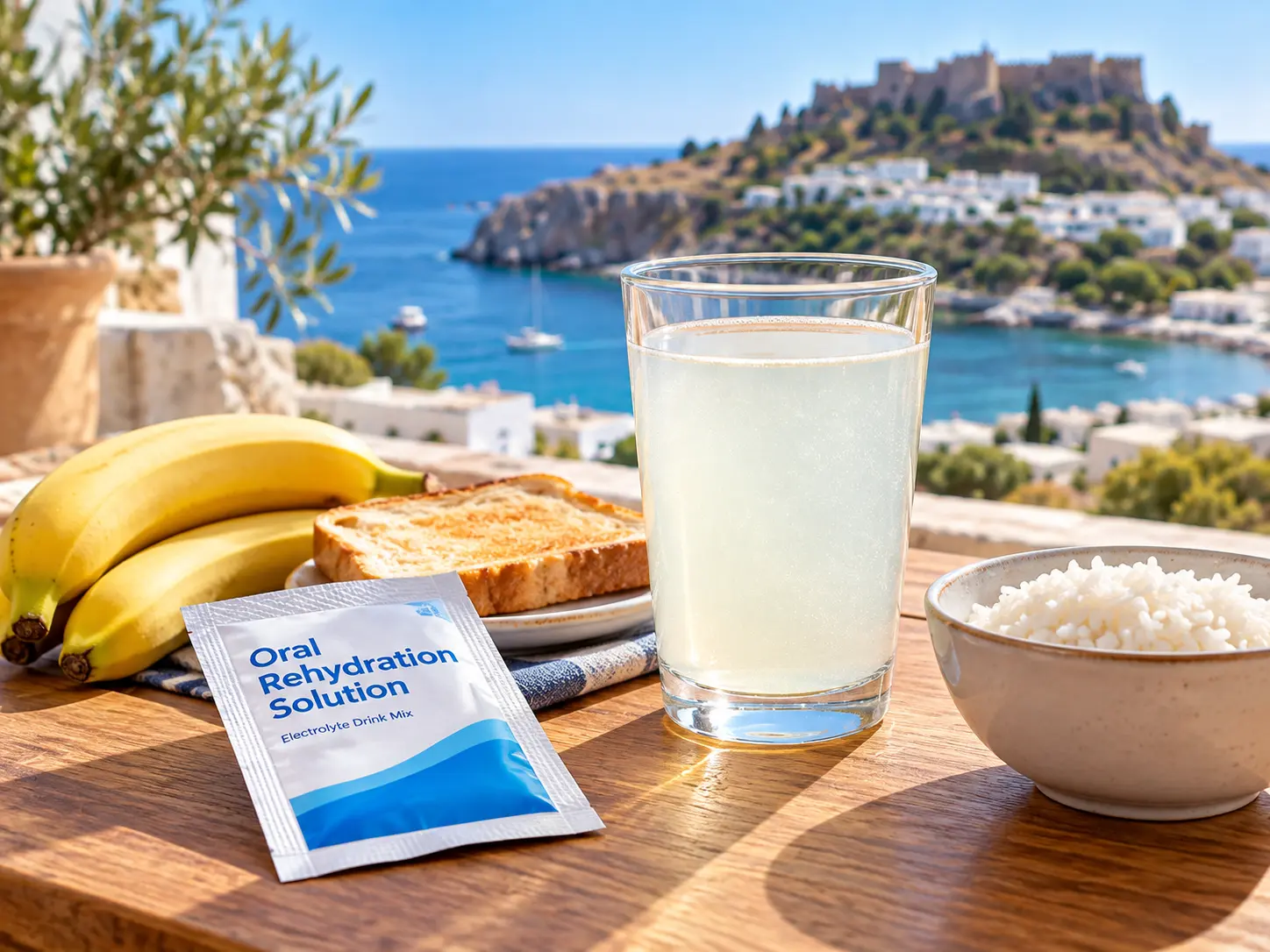
Oral rehydration solutions available from pharmacies are particularly useful when vomiting or diarrhea has caused substantial fluid loss.
Monitor urination, dizziness and your ability to drink.
2. Eat according to your tolerance
Once vomiting begins to settle, gradually resume normal eating.
Foods such as rice, potatoes, toast, bananas and soup may initially be easier to tolerate.
Avoid alcohol and foods that aggravate nausea or diarrhea. There is generally no need for a prolonged restrictive diet.
3. Avoid unnecessary antibiotics
Norovirus is a viral infection, and antibiotics do not treat norovirus.
A physician may recommend medication to relieve vomiting or other symptoms when clinically appropriate.
Patients with significant dehydration may require intravenous fluid replacement following medical assessment.
4. Prevent transmission
Wash your hands thoroughly with soap and water for at least 20 seconds.
Alcohol-based hand sanitizers may be used as an additional precaution but should not replace handwashing.
Clean contaminated surfaces using a disinfectant effective against norovirus, and avoid preparing food for others while ill and for at least 48 hours after symptoms stop.
When Should You See a Doctor in Rhodes?
Most mild cases of viral gastroenteritis resolve with rest, hydration and supportive care.
However, medical assessment is advisable if you experience:
- Repeated vomiting that prevents adequate fluid intake
- Markedly reduced urination, dizziness or signs of dehydration
- Severe or progressively worsening abdominal pain
- Bloody diarrhea or blood in vomit
- High or persistent fever
- Symptoms that worsen rather than improve
- Significant weakness, particularly in older adults
- Persistent symptoms in a young child or someone with a serious medical condition
During a consultation, a doctor can assess hydration, examine the abdomen, consider alternative diagnoses and recommend appropriate treatment.
Further investigations or hospital referral may be necessary depending on the findings.
For collapse, altered consciousness, severe breathing difficulties or another life-threatening emergency, call 112 immediately.
Can You Fly Home After Gastroenteritis?
Developing vomiting or diarrhea shortly before your return flight can be particularly stressful.
Your ability to travel depends on your general condition, hydration and whether symptoms have resolved.
Because norovirus is highly contagious, avoiding close contact with others for at least 48 hours after symptoms stop helps reduce transmission. This is a public-health precaution, not a universal airline-specific fitness-to-fly rule.
If you remain significantly unwell, medical assessment may be appropriate before travelling.
A doctor may issue a medical report or travel-related certificate when justified by the clinical evaluation. Airlines and travel insurers may have additional documentation requirements.

How Can You Reduce Your Risk of Norovirus?
Practical preventive measures include:
- Washing your hands regularly with soap and water
- Washing hands before eating and after using the toilet
- Avoiding sharing utensils with someone who is ill
- Cleaning frequently touched surfaces
- Washing contaminated clothing and bedding appropriately
- Avoiding food preparation for others during illness
- Following hygiene precautions even after symptoms resolve
These measures are particularly important when travelling with children, older family members or people at increased risk of dehydration.
Frequently Asked Questions
Is there a norovirus outbreak in Rhodes in 2026?
An increase in gastroenteritis cases was reported during the summer of 2026, and norovirus was identified in patient samples at Rhodes General Hospital. A report published on 2 October described a limited outbreak, with case numbers beginning to decline. This historical finding does not establish the current risk at any particular hotel or location.
How long does norovirus last?
Most otherwise healthy people recover within one to three days. Some patients may experience longer-lasting symptoms or dehydration requiring medical attention.
Is norovirus the same as food poisoning?
Not exactly. Norovirus is a specific viral cause of gastroenteritis and can spread between people or through contaminated food. Food poisoning is a broader term covering various foodborne infections and toxins.
Do I need antibiotics for norovirus?
No. Antibiotics are ineffective against norovirus. Treatment generally focuses on hydration and symptom relief, with further medical management when necessary.
Can a doctor visit my hotel in Rhodes?
Depending on availability, location and clinical requirements, an appointment with an independent physician may be arranged at your hotel, villa or accommodation through Rhodes Medical Services.
Need an English-Speaking Doctor in Rhodes?
Persistent vomiting, diarrhea, abdominal discomfort and dehydration can disrupt your holiday and occasionally require medical attention.
Rhodes Medical Services coordinates appointments with independent English-speaking doctors in Rhodes for tourists and visitors experiencing gastroenteritis and other acute medical concerns.
Depending on clinical needs and availability, consultations may be arranged at a doctor's office or at your accommodation.
Official receipts and relevant medical reports can be provided for submission to your travel insurer. Reimbursement depends on your insurance policy.
Book a medical appointment in Rhodes or contact us for assistance.
Phone: +30 2241 031123
Medical information is provided for educational purposes and does not replace individual clinical assessment.
References
- eKathimerini — Norovirus, not water, behind 1,800 gastroenteritis cases on Rhodes, experts say (2026)
- Centers for Disease Control and Prevention (CDC) — About Norovirus (2024)
- Centers for Disease Control and Prevention (CDC) — How to Prevent Norovirus (2025)
- CDC Yellow Book: Health Information for International Travel — Norovirus — CDC Yellow Book 2026 (2019)
Related Medical Care
Based on what you just read about Norovirus in Rhodes (2026): Symptoms, Treatment & When to See a Doctor, our General Practice team can assess your symptoms and recommend the right next step.
Giannis Michailidis — General Practitioner
Related Articles
Need Medical Help in Rhodes?
Book your appointment in minutes and get fast professional care.